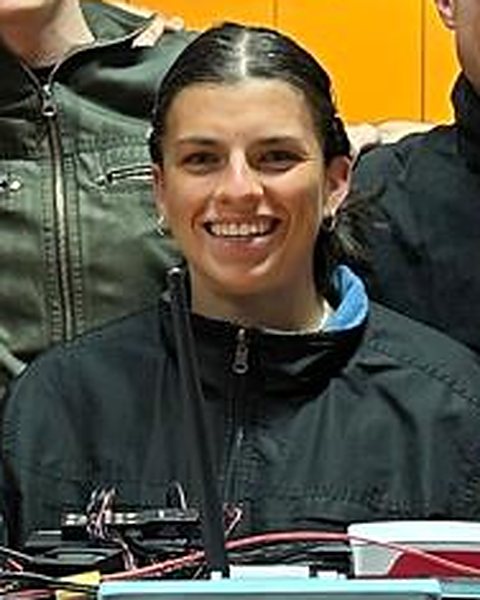
Radio link and reporting
Isabella Calder
- LoRa radio link, until mid-September
- Executive summary and conclusions of the final report
Bio to come.
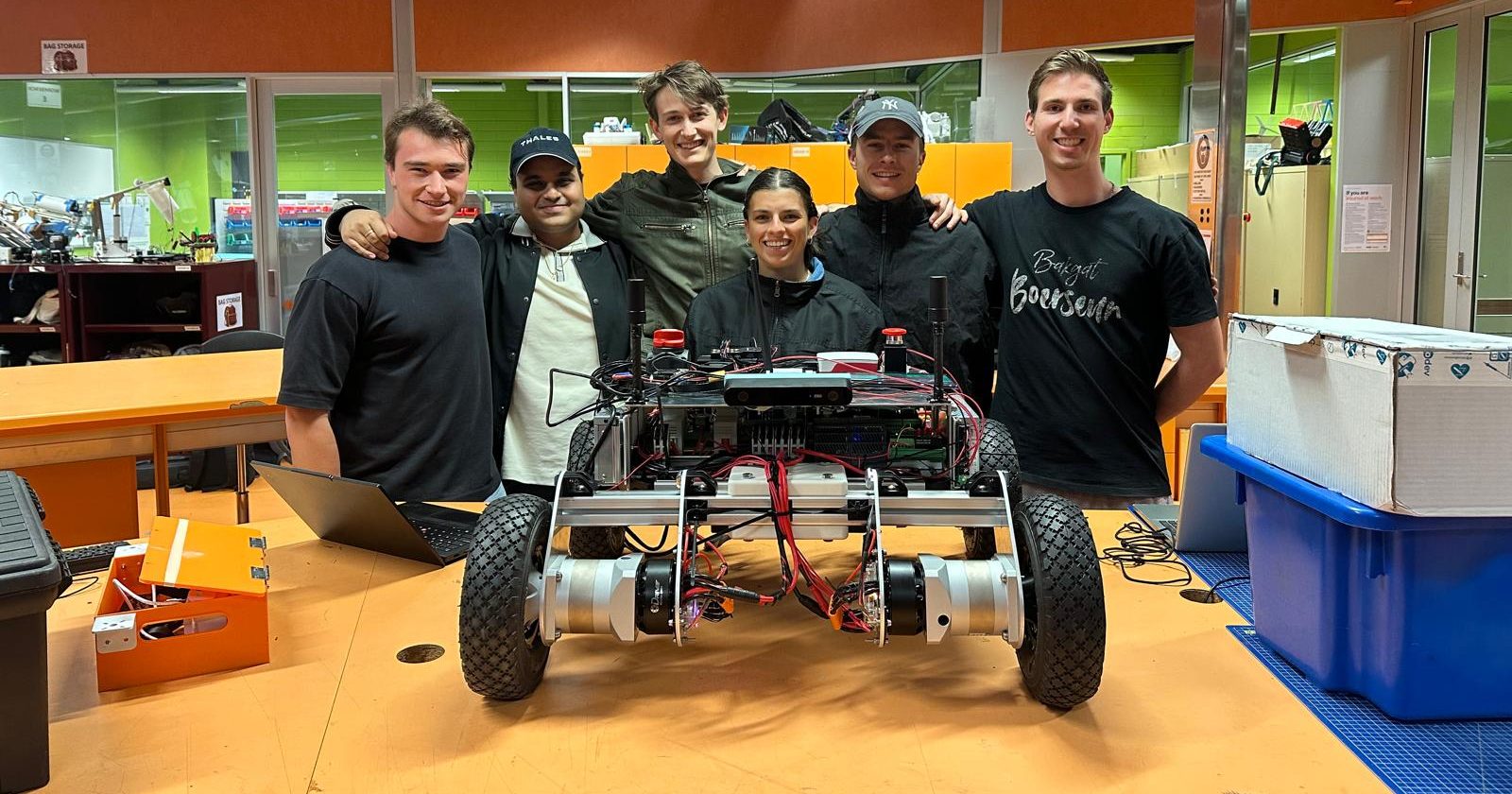
The team
Final-year RMIT engineering students, working in two tracks: hardware and electrical, and navigation, sensing and simulation. Each of us owned one or two parts of the system, and the whole team built Prototype 2.
Radio link and reporting
Bio to come.

Radio link, base station, state machine
Bio to come.
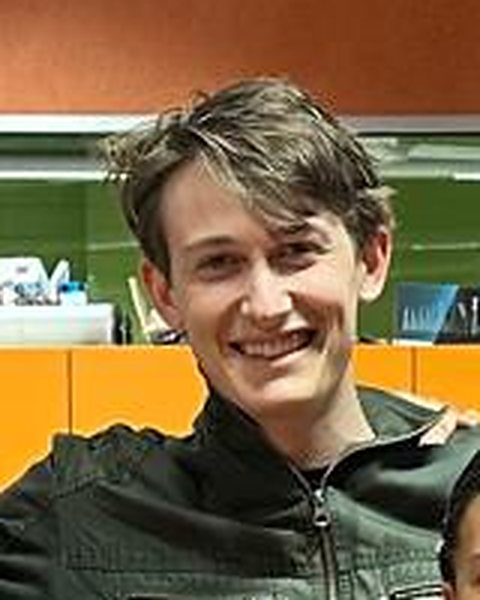
Nav2, obstacles, field testing
Bio to come.
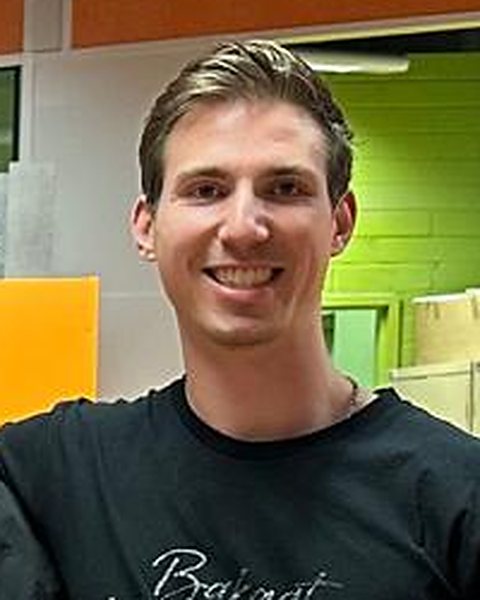
Electrical, localisation, safety
Bio to come.
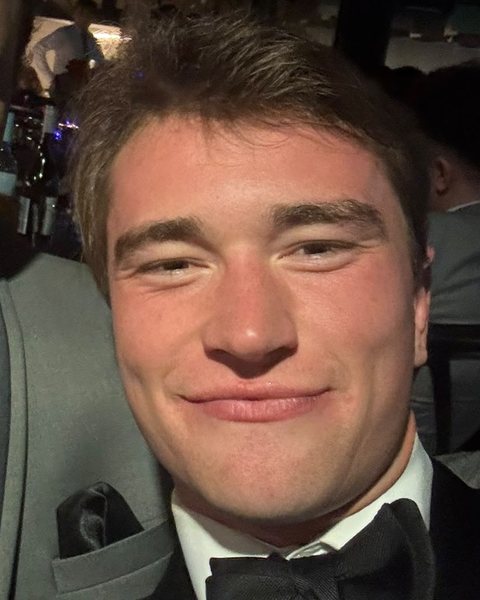
Selection node, navigation, simulation
Bio to come.
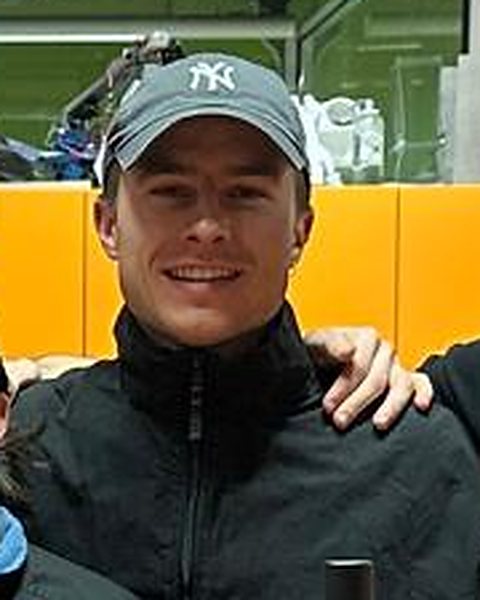
Mission node, Prototype 1
Bio to come.
With
How we worked
The software is a set of ROS 2 nodes with narrow jobs, so ownership split cleanly along node boundaries. Before integrating, we agreed topic names, message types and sign conventions between nodes, and an interface review in October caught mismatches before the outdoor tests.
The hardware went the other way. Driveline, wheels and the 48 V power system became a collective build to one electrical design, with everyone on the bench.
Simulation results were recorded one attempt per configuration, with the repository commit noted and no tuning between attempts. That limits the chance of reporting a lucky run.
Next year
The Knuckey Rover continues with future RMIT capstone teams. The hard build is done, so next year's work is autonomy on a machine that already drives. You don't need to arrive knowing robotics.
| If you like | You could own |
|---|---|
| Robotics and autonomy | Tuning navigation for real terrain; clean headland turns onto the next tramline |
| Computer vision | Telling a rock from a fence post from a person, in dust and glare |
| Electronics and embedded | Motor control over CAN, the battery management system, the safety interlocks |
| Mechanical and mechatronics | A full-scale chassis, driveline and tracked wheels that survive a paddock |
| Software and interfaces | The base station: what the operator sees, and the radio link that carries it |
| Testing and systems | Simulation, field trials, and showing the machine is safe enough to let go of |
Ask any of us at the EnGenius booth.